I love exploring new challenges and pushing my limits. Hawaii’s adventure races offer some of the most exciting experiences out there.

From breathtaking trails through rainforests to tough obstacle courses along the coast, these events mix endurance, teamwork, and the beauty of Hawaii. Each race creates an unforgettable adventure.
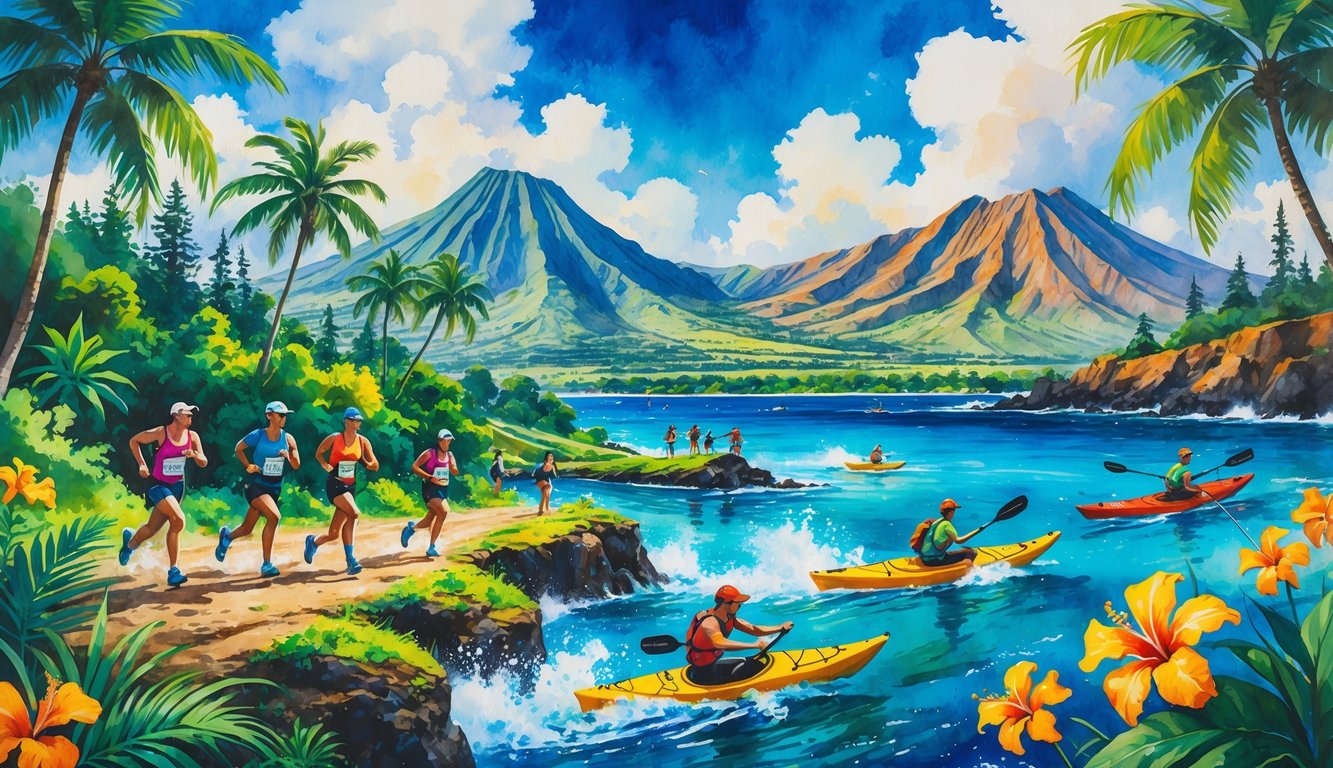
If you’re searching for the top adventure races in Hawaii, you’ll find trail runs, mud runs, obstacle courses, and multi-sport races across the islands. Both beginners and experienced athletes can join in, making it easy for anyone to enjoy the thrill.
Whether you want to join an adventure race in Honolulu or explore unique events on other islands, there’s no shortage of excitement. I can’t wait to share a look at the best races Hawaii has to offer.
Overview of Adventure Races in Hawaii
Adventure races in Hawaii combine exciting activities, scenic views, and tough competition. Races here blend running, cycling, and swimming with the beauty and challenge of Hawaiian landscapes.
Types of Races
In Hawaii, I come across several types of adventure races. The most common are multi-sport events, including triathlons that feature swimming, cycling, and running.
Relay races are also popular, where teams take turns on different segments. Obstacle courses and adventure trail runs attract many people too.
These events often include muddy paths, climbs, or water crossings. Many races welcome families and youth, so people of all ages can join.
Some events last several days, but most are one-day competitions. The adventure racing calendar for Hawaii features unique physical and mental challenges.
Hawaii’s Unique Adventure Terrain
Hawaii’s natural terrain creates a unique race experience. Most courses use beaches, volcanic hills, rugged lava fields, and jungle trails.
Sand, rocks, forest, and steep slopes make each race different. Weather can change quickly, with hot sun, sudden rain, or strong winds.
These conditions add an extra challenge, especially on courses near the ocean or on ridges. Races like triathlons often start in the ocean and then move into mountain bike trails or road cycling routes.
Runners travel through rainforest or climb to scenic lookouts. This variety demands fitness and flexibility from every racer.
Popular Race Locations
Honolulu is a main hub for adventure races. Many events, including triathlons and trail runs, are based here because the city offers easy access and good facilities.
On the Big Island, races often go near volcanic parks and black sand beaches. Kauai and Maui host well-known adventure runs and bike races, using courses in state parks, valleys, and coastal roads.
Community support and beautiful settings make racing in Hawaii special. Local race calendars like Racing Hi and event sites keep runners and cyclists informed about upcoming races.
Major Annual Adventure Races
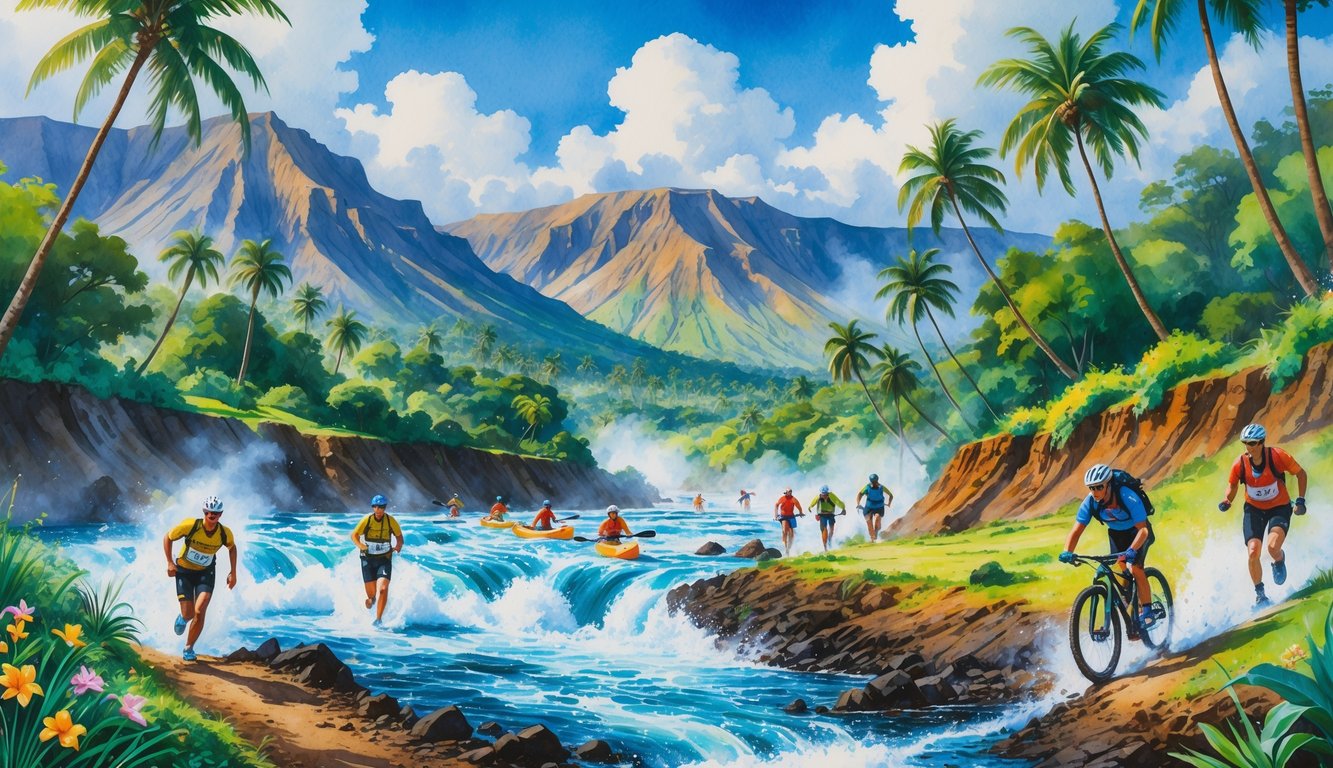
Hawaii hosts several unique adventure races each year. Runners, families, and endurance athletes from around the world come to join.
Each race offers something different, from challenging trails through forests to fun events for families with kids.
XTERRA Trail Run Series
I always look forward to the XTERRA Trail Run Series in Hawaii. This popular trail running event brings together runners of all skill levels.
The races take place on scenic trails filled with hills, streams, and thick forests. The event feels like a true adventure for everyone.
XTERRA offers a variety of race distances. Beginners can try shorter courses, while advanced runners tackle longer, tougher routes.
Volunteers support racers at aid stations along the way. There’s always a strong sense of community among participants.
After the race, I enjoy the awards and meeting fellow runners. The XTERRA Trail Run Series stands out for its challenging terrain and friendly atmosphere.
HURT 100-Mile Endurance Run
The HURT 100-Mile Endurance Run is one of the toughest trail races in Hawaii. This ultramarathon happens each January on the rugged trails of Oahu.
Extreme elevation changes, technical terrain, and muddy conditions make the HURT 100 hard. A lottery limits the number of runners.
Finishing this race is a huge achievement. Racers cross deep valleys, climb steep hills, and face narrow, twisting paths.
Most sections wind through dense rainforest, with roots and rocks underfoot. Runners must complete five 20-mile loops before the cut-off time.
Aid stations and volunteers support racers along the route. The HURT 100 is one of the best tests of endurance for dedicated ultrarunners. More details are on the HURT Hawaii race series.
Koloa Plantation Days Family Fun Run
Each summer, I like joining the Koloa Plantation Days Family Fun Run on Kauai. This event brings together friends and families for a fun, supportive experience.
The run offers different distances, including a 10K, 5K, and a keiki (kids) run. The scenic course winds through the historic town of Koloa, passing sugar plantation landmarks and open spaces.
Everyone from serious runners to walkers can join. Kids get their own special event, and strollers are welcome.
At the finish, I enjoy the lively festival atmosphere with music, food, and lots of smiles. The Koloa Plantation Days Family Fun Run celebrates local history and encourages healthy habits at any age. Find more races like this at Running in the USA’s Hawaii adventure races page.
Multi-Sport and Triathlon Events
Hawaii is perfect for multi-sport races, especially if you love swimming in the ocean, cycling across scenic views, and running under palm trees. These events test endurance while letting me enjoy the islands’ natural beauty.
Ironman World Championship
The Ironman World Championship is legendary in Hawaii. This race happens in Kailua-Kona and brings in elite athletes from around the world.
It includes a 2.4-mile ocean swim, a 112-mile bike ride across hot lava fields, and a 26.2-mile run along the coast. Athletes face strong ocean currents and powerful winds during the cycling part.
The run can get very hot, adding another challenge. Entry requires qualifying in other Ironman events.
The event is well-organized and offers a festival-like atmosphere for both racers and spectators. For more details, the official IRONMAN 70.3 Hawaii site lists upcoming races and course info.
Event Overview Table:
| Part | Distance | Notable Feature |
|---|---|---|
| Swim | 2.4 miles (3.8 km) | Open ocean, strong currents |
| Bike | 112 miles (180 km) | Through lava fields |
| Run | 26.2 miles (42.2 km) | Coastal road, heat |
Lavaman Waikoloa Triathlon
The Lavaman Waikoloa Triathlon is a favorite of mine because it welcomes all levels. Located on the Kohala Coast, this event combines a 1.5-kilometer swim in Anaeho’omalu Bay, a 40-kilometer bike ride along Queen Ka’ahumanu Highway, and a 10-kilometer run on trails and pavement.
Every step of the course offers views of the Pacific Ocean and lava fields. The event supports a friendly, inclusive vibe.
The Lavaman Triathlon now includes duathlon and aquabike options, which is great if someone prefers not to do all three events. It is now part of the Hawaii State Championship.
More community and race details are on the Lavaman Triathlon Multisport Facebook event page.
Highlights:
- Ocean swim
- Smooth cycling with ocean views
- Trail and pavement running
- Duathlon and aquabike options
Honolulu Triathlon
The Honolulu Triathlon is popular among locals and visitors. It usually takes place in May and offers races for both adults and kids.
The event focuses on making triathlon accessible for more people. The main event starts with a swim in Ala Moana Beach Park’s calm waters.
Next comes a fast cycling route on closed roads. The race ends with a flat run along the coast, which makes it easier for beginners.
Relay teams and shorter races are available, so anyone can join. The event often features music, food, and activities for families.
Details and future dates are on race calendars like Running in the USA.
Trail Running Adventures
Hawaii offers races that test my legs against steep climbs and rugged paths. I find that the right moisture wicking gear is a must for trail runs here.
Routes highlight forest, ridgeline, and coastline. Each race brings new challenges and stunning views.
Maunawili Out & Back Relay
The Maunawili Out & Back Relay offers a unique team race that combines adventure with teamwork. Organizers set it on the lush Maunawili Trail, known for its winding single-track and dense tropical surroundings.
Each two-person team shares the work. One runs out while the other waits, then they switch for the return, making the event both social and challenging.
The distance is about 22 miles, so I make sure to stay hydrated and wear moisture-wicking clothes. I dodge mud, exposed roots, and slick rocks after rain, so I always choose trail shoes with strong grip.
The scenery changes from thick bamboo groves to panoramic mountain views.
When we finish, everyone celebrates together. Many runners stay for snacks, prizes, and stories from the trail.
The atmosphere feels friendly, with a focus on fun and camaraderie.
Peacock Challenge
The Peacock Challenge ranks as one of the toughest trail runs in Hawaii. Organizers hold this ultra-distance race on the trails around the Peacock Flats area in the Waianae mountain range on Oahu.
The course includes steep ascents, loose rocks, switchbacks, and long, hot stretches exposed to the sun. Distances can go well beyond a marathon, so I always pack enough nutrition and wear moisture-wicking shirts and socks to avoid chafing.
I prepare for fast-changing weather, from blazing heat to sudden downpours. Aid stations at key points provide water, snacks, and electrolytes.
The race tests pacing and endurance, not just speed. I always notice the strong sense of respect and support among runners.
For more details and schedules, I check the 2025 Trail Series website.
Cycling Adventure Challenges
Cycling races in Hawaii challenge riders with tough routes and stunning scenery. I like how these events combine athletic effort with Hawaii’s dramatic climbs.
Cycle to the Sun
Cycle to the Sun stands out as one of the hardest cycling races. Riders start in the town of Paia, Maui, at sea level and finish at the summit of Haleakalā volcano, which rises over 10,000 feet.
The race is about 36 miles and climbs almost the entire way. Steep switchbacks make the last part especially tough.
Weather often changes as I climb, going from warm at the bottom to chilly and windy at the top. Some riders bring extra layers for the summit.
A support crew helps with water and food. Safety is important because of sharp turns and changing elevation.
Most riders train for weeks or months to prepare for the long climb. This race is a true bucket-list adventure.
Sea to Stars
Sea to Stars on the Big Island takes cyclists from the ocean up to the high slopes of Mauna Kea. Riders start at the Pacific and climb past lava fields, ranch land, and forests to elevations above 9,000 feet.
The steepest sections near the top test my endurance, especially with thinner air. There are several route options for different skill levels, but all versions feature long climbs and quick weather changes.
Wind and mist can arrive fast near the summit, so I pack the right gear. This race attracts cyclists from around the world.
I enjoy the mix of Hawaiian scenery and challenging rides. Some tours offer guided support and custom packages to help with event preparation.
Sea to Stars lets me test my limits on a bike.
Adventure Race Preparation Tips
Preparing for an adventure race in Hawaii means planning for heat, rain, and rough trails. I focus on training for the weather, choosing the right gear, and making smart choices about hydration and snacks.
Training in Hawaii’s Climate
Hawaii’s climate is often hot, humid, and unpredictable. I train during the hottest part of the day a few times a week so my body adjusts to the heat.
Practicing in light rain helps because weather can change quickly, especially on mountain trails. I change up my workouts, including running, biking, and paddling, since Hawaii’s races often combine these activities.
I practice transitions between activities to become faster during the race. I keep my training clothes light and moisture wicking so I stay comfortable.
If a race includes special sections like climbing or swimming, I add those to my training. Local adventure race guides have helpful tips for Hawaii’s terrain and climate.
Essential Gear and Clothing
Choosing the right gear for Hawaii’s races means thinking about weather, trails, and comfort. I always pick moisture wicking shirts and socks to keep sweat and water off my skin.
Wet clothes can cause blisters and rashes. Trail shoes with good grip are a must for muddy or rocky paths.
I carry a lightweight rain jacket, even if it looks sunny. Sunglasses, a hat, and sunscreen protect my skin from strong sun.
My checklist includes a hydration pack, snacks, map, compass, and safety whistle. Even short races can bring sudden rain or rough sections, so I pack smart but keep things light.
Hydration and Nutrition Strategies
Staying hydrated in Hawaii is a challenge because the heat makes me sweat more. I drink extra water before the race and keep a bottle or hydration pack with me.
Sports drinks help replace salt lost in sweat. For longer races, I eat small, easy snacks like energy chews, nuts, and nutrition bars.
I set a timer to remind myself to drink and eat every 30-45 minutes. I always check if the race has water stations, but I still bring my own supplies.
This way, I’m ready for any part of the trail, even in remote places.
How to Find Accurate Race Information
It’s easy to miss updates or changes if I don’t know where to look for adventure race details in Hawaii. I want the right information when I’m planning, signing up, or preparing for races.
Best Online Resources for Race Details
I start by checking trusted race calendars and event listing sites. Websites like Running in the USA show a list of upcoming adventure races in Hawaii.
I also use specialty sites like Racing HI and RunGuides. These sites update often and give details like race location, event type, and sometimes community reviews.
For adventure racing in Honolulu, ACTIVE is a reliable place for updated race listings and registration links. I bookmark at least two main sites to double-check all details.
Some sites let me sign up for alerts about changes or new races, so I never miss anything.
Local Race Calendar and Registration
For the most current race information, I check local race calendars. These often link to official registration pages from race organizers.
An example is the Honolulu adventure races listings at Find A Race, where I find dates, times, and sign-up links. Checking the race’s own website helps me get updates on last-minute changes or new rules.
Sometimes, social media pages or local running stores post real-time updates or have printed calendars in their shops. I put race info on my calendar to track sign-up dates and updates.
Reviewing registration policies and deadlines helps me avoid missing anything important.
Sustainable and Responsible Racing
I always consider how adventure racing in Hawaii can protect nature and help local communities. I focus on events that take steps to care for the land, oceans, and people.
Environmental Stewardship in Hawaii
When I join an adventure race in Hawaii, I see that organizers care about the environment. Many races have strict waste rules, like “leave no trace” policies and plastic reduction.
I often find separate bins for recycling at the start and finish lines. Some events limit the number of racers to reduce trail erosion and protect native plants.
Race organizers often work with local conservation groups and may reroute courses to avoid sensitive habitats. Hawaii’s natural beauty is fragile, so protecting it matters.
Many races offer educational briefings before the event, teaching racers about native ecosystems. Sometimes, adventure races also hold beach cleanups or tree planting days for participants.
Community Involvement
In Hawaii, adventure races bring people together. Many events partner with local schools, charities, or community groups.
Some races donate part of the entry fees to local projects. Organizers often invite residents to volunteer at aid stations.
Racing on lands where the community feels included is meaningful. Some races feature performances by Hawaiian musicians or hold cultural ceremonies at the start line.
Local businesses benefit too. Racers and their families stay at nearby hotels and eat in local restaurants.
They also shop for gear, which helps the local economy. Organizers highlight vendors from Hawaii and encourage racers to support them.
Adventure racing in Hawaii becomes a true community effort. If you want to see a list of community-based races, Racing Hi keeps a calendar of local events that encourage participation and volunteering.