The Dole Plantation sits in the heart of Oahu and stands as one of Hawaii’s most well-known attractions. People visit to enjoy history, agriculture, and family-friendly fun.

The plantation offers free access to its grounds. Paid experiences like the Pineapple Express Train, Garden Tour, and Pineapple Garden Maze provide even more to explore.
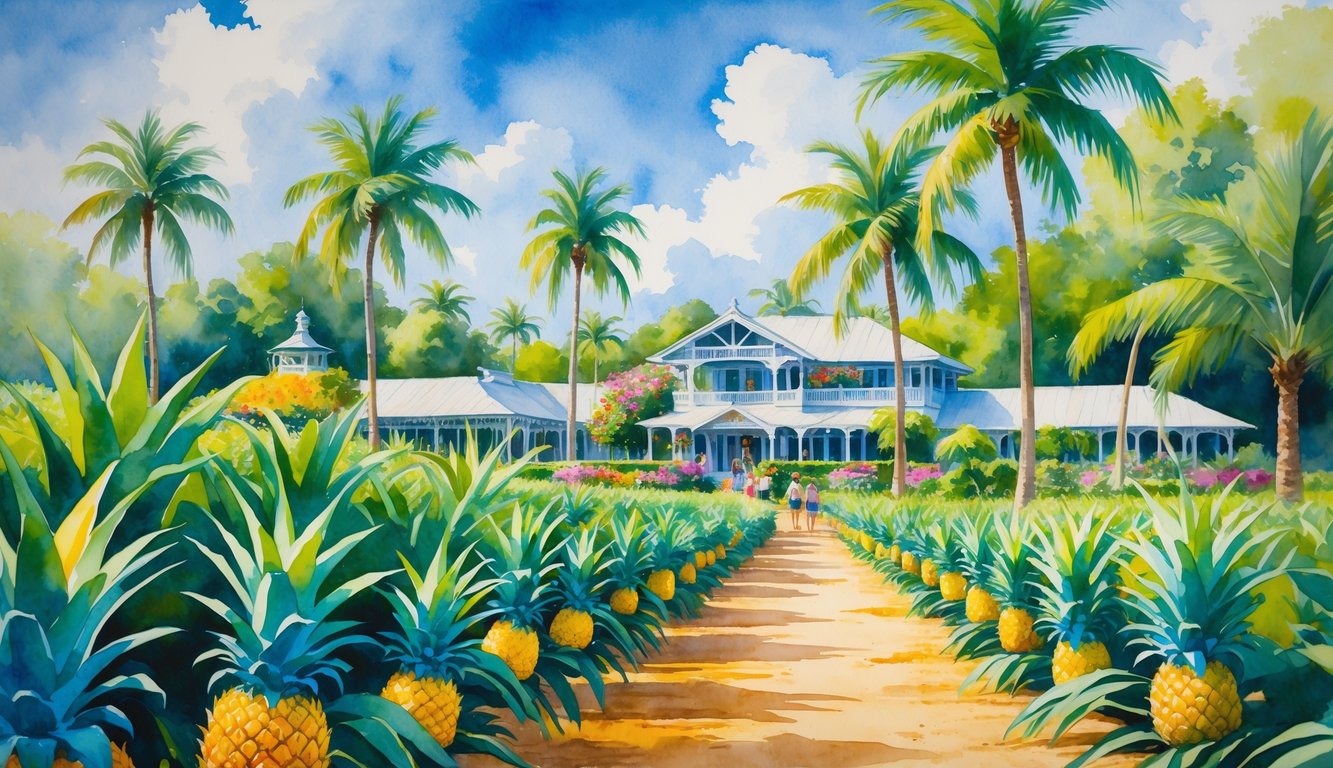
When guests step into the visitor center, they can wander through tropical gardens, sample fresh pineapple, and shop for unique gifts. The location makes it an easy stop for anyone traveling to Oahu’s North Shore.
A variety of activities ensures there’s something for all ages. Visitors can learn about Hawaii’s pineapple industry, taste a Dole Whip, or take a scenic train ride through the fields.
Planning Your Visit to Dole Plantation
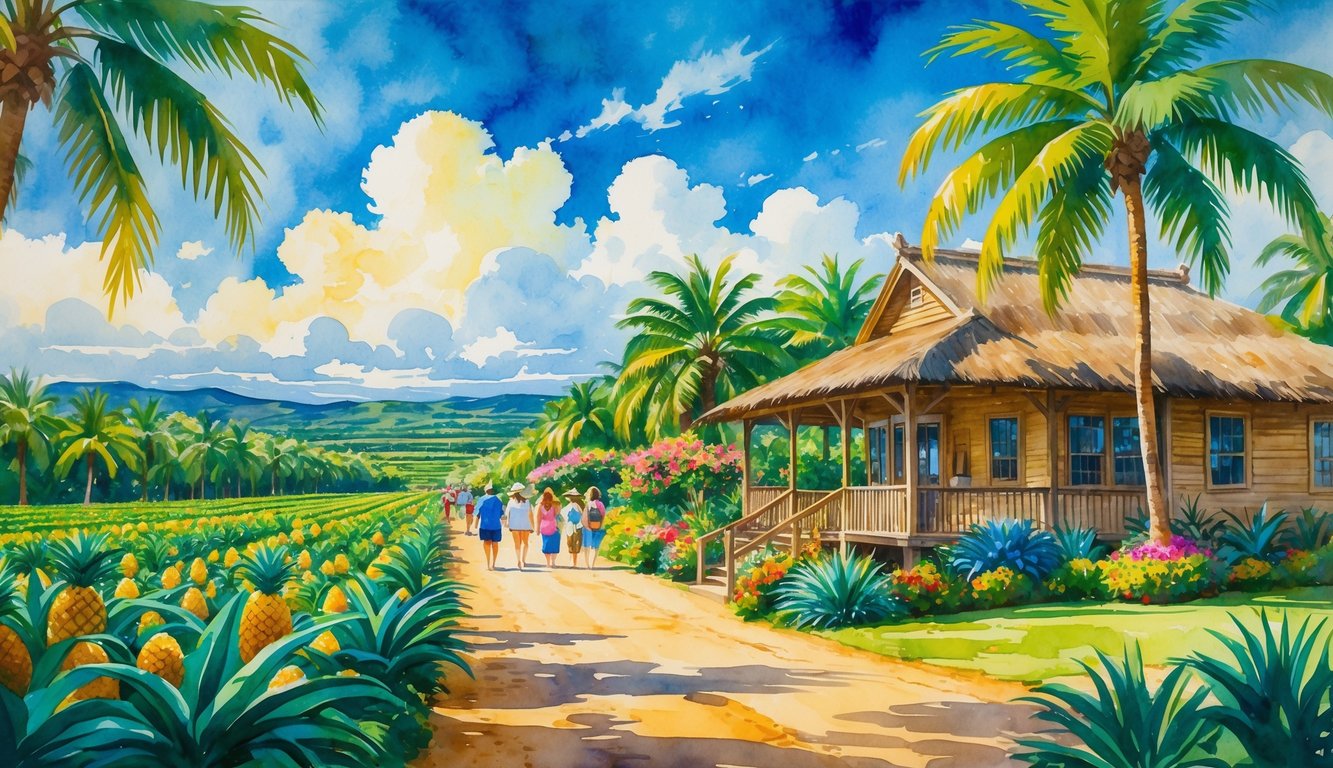
You can reach the plantation by car from several parts of Oahu and enjoy free parking on-site. Once you arrive, you can choose from a variety of activities.
The plantation keeps steady hours year-round. Seasonal blooms and lighter crowds can make certain times more appealing.
Location and Directions
You’ll find the Dole Plantation at 64-1550 Kamehameha Highway in Wahiawa, about 40 minutes from Honolulu by car.
From Waikiki or central Honolulu, drivers usually take H-1 West, connect to H-2 North, and exit onto Kamehameha Highway. The drive goes through green hills and small towns before reaching the plantation.
Travelers from the North Shore or Haleiwa can follow Kamehameha Highway south for a shorter trip.
Public buses stop nearby, but driving is usually faster and more convenient. The large parking lot is free, so visitors can easily leave their car and explore.
Hours, Admission, and Parking
The plantation is open daily from 9:30 a.m. to 4:30 p.m., but hours may change on holidays.
Entry to the grounds and gift shop is free. Activities like the Pineapple Express Train Tour, Plantation Garden Tour, and Pineapple Garden Maze require tickets.
Prices depend on the activity. Combination packages are available for those who want to do more than one activity.
Parking:
- Large lot on-site
- No parking fee
- Spaces for cars, vans, and tour buses
You can buy tickets at the entrance or online in advance to save time, especially during busy times.
Best Times to Visit and Seasonal Highlights
The plantation welcomes guests all year. Some seasons offer unique experiences.
Spring brings colorful blooms, making garden tours extra vibrant.
Weekdays usually have fewer crowds than weekends. Arriving early helps you avoid the midday rush and gives you more time for activities.
Summer is popular with families. Winter months are cooler and less busy.
Rain showers can happen any time of year, so light rain gear is helpful.
If you’re interested in seasonal highlights, visit during the spring bloom or when special events are scheduled. Checking the weather and event calendar before you go can help you plan your trip.
History and Significance of Dole Plantation
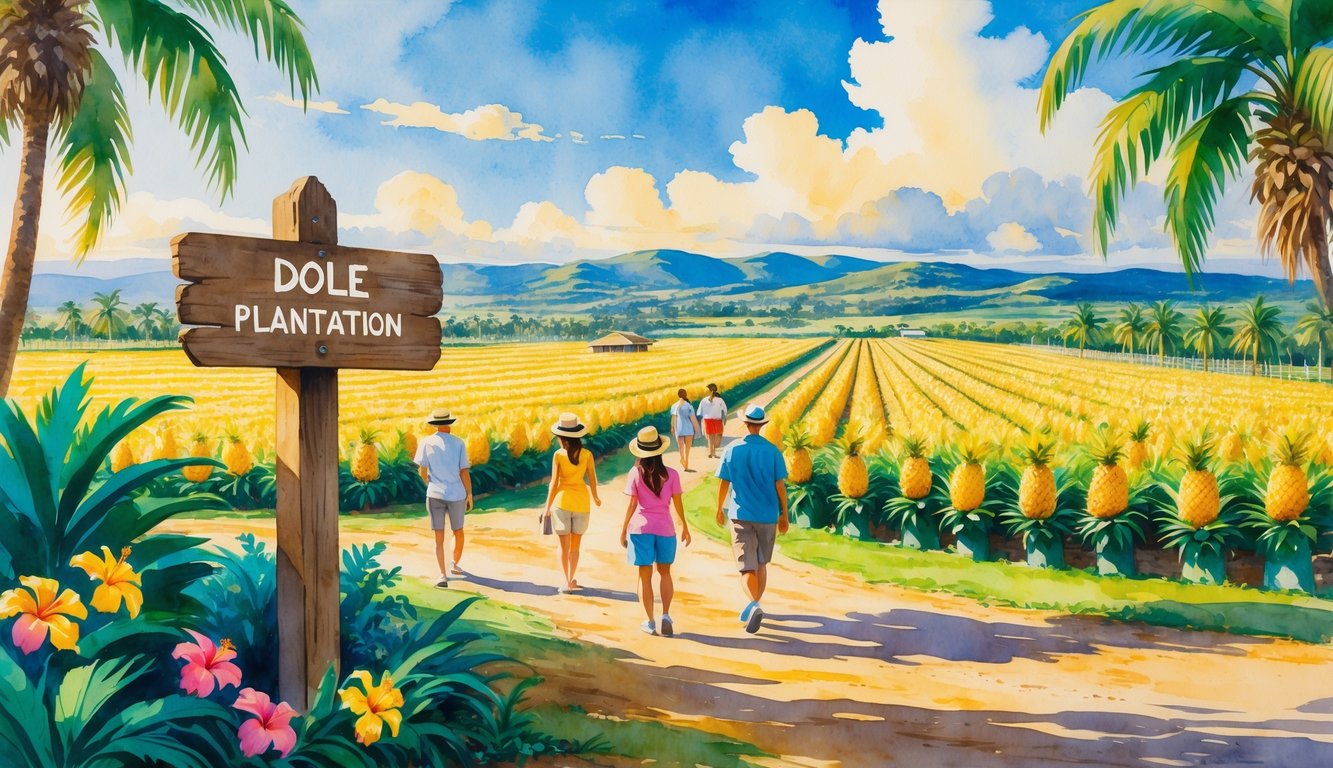
The Dole Plantation started as a working pineapple farm and later grew into a popular visitor attraction. Its story connects to James Drummond Dole and the growth of pineapple farming in Hawaii.
Origins and James Drummond Dole
James Drummond Dole, known as the “Pineapple King,” arrived in Hawaii in 1899. He bought land in Wahiawa on Oʻahu and started a small pineapple plantation.
By 1901, he founded the Hawaiian Pineapple Company, which later became the Dole Food Company. His focus on quality and consistency helped Hawaiian pineapples become popular in the mainland United States.
Dole invested in canning technology so pineapples could be shipped far from Hawaii without spoiling. This helped the fruit reach distant markets.
His business decisions set the stage for large-scale pineapple farming in the islands. The land where the Dole Plantation stands was part of these early efforts.
Evolution from Fruit Stand to Major Attraction
In 1950, a small fruit stand opened on the site to sell fresh pineapples and local produce. Over time, the stand expanded into a visitor center with pineapple-themed treats and souvenirs.
Attractions like the Pineapple Express Train Tour and Plantation Garden Tour drew more visitors every year. Today, the Dole Plantation features interactive experiences such as the World’s Largest Maze.
Guests can also learn about pineapple cultivation through displays and exhibits. What began as a simple roadside stop has grown into one of Oʻahu’s most visited family-friendly destinations.
Impact on Hawaii’s Pineapple Industry
The plantation reflects the history of the pineapple industry in Hawaii, which peaked in the mid-20th century. At its height, Hawaii supplied most of the world’s canned pineapple.
Dole’s large-scale operations created jobs and supported local communities. These changes also affected land use and labor patterns.
As global competition increased, pineapple production in Hawaii declined. Much of the industry moved overseas, but the Dole Plantation stayed as a cultural and historical site.
Visitors today can still see how pineapple farming shaped Hawaii’s economy and identity.
Top Attractions and Activities
You can explore scenic pineapple fields, try the large maze, stroll through gardens filled with native Hawaiian plants, and learn about the island’s agricultural history through hands-on displays and tours. Each activity offers a new way to experience the plantation’s mix of farming, history, and local culture.
Pineapple Express Train Tour
The Pineapple Express Train Tour takes guests on a 20-minute loop through working pineapple fields and tropical landscapes. The open-air train cars provide clear views and fresh breezes.
An audio narration shares facts about Hawaii’s pineapple industry and plantation history along the route. Visitors see crops at different growth stages, from young plants to harvest-ready fruit.
Families enjoy this ride because it is relaxing and informative. The tour is timed so guests can take photos without feeling rushed.
Pineapple Garden Maze
The Pineapple Garden Maze covers more than three acres and ranks among the largest mazes in the world. Its paths form a pineapple-shaped design when viewed from above.
Inside, guests navigate over two miles of winding trails lined with tropical plants and shrubs. Several hidden stations sit throughout the maze, and players can collect stamps at each one to complete the challenge.
The maze suits all ages, though it can take 30–45 minutes to finish. Comfortable shoes, water, and patience help, especially on warm days.
Plantation Garden Tour
The Plantation Garden Tour is a self-guided walk through eight themed gardens. Each section shows different plants grown in Hawaii, including native Hawaiian plants, tropical flowers, and fruit trees.
Signs along the paths explain plant uses, cultural significance, and growing conditions. Visitors can see cacao, coffee, bananas, and other crops in addition to pineapples.
The gardens are well-kept and offer shaded spots for rest. Many guests enjoy taking photos of colorful blooms and unique plants.
The tour moves at your own pace, making it easy to stop and read or take pictures.
Interactive Exhibits and Guided Tours
Inside the visitor center, interactive exhibits explain the history of pineapple farming in Hawaii. Displays show tools used in the fields, packaging methods, and the process from planting to shipping.
Some exhibits let guests touch or handle items, making them popular with children. Videos and diagrams give a closer look at how the industry changed over time.
Guided tours are available for groups who want a more detailed experience. Guides answer questions, share stories, and point out details that may be missed on a self-guided visit.
These tours often combine indoor exhibits with short outdoor walks for a balanced learning experience.
Food, Shopping, and Visitor Amenities
You can enjoy fresh pineapple snacks, browse unique souvenirs, and relax with a casual meal during your visit. The site offers sweet treats and practical services to make your day more comfortable.
Pineapple Treats and Dole Whip
One of the most popular stops is the stand serving Dole Whip, a soft-serve pineapple dessert. It is dairy-free, light, and served in cups or cones.
Many guests also choose pineapple ice cream floats made with fresh pineapple juice. Other treats include fresh-cut pineapple, pineapple candy, and baked goods.
You can find these at the visitor center and outdoor snack counters. Sometimes, the fruit stand offers banana or seasonal tropical fruits.
Seating areas nearby let guests enjoy their snacks while overlooking landscaped areas like the hibiscus garden. Prices are reasonable for a tourist spot, and portions are good for sharing.
Gift Shop and Souvenirs
The gift shop at the Dole Plantation is large and well-stocked. You can find a wide range of souvenirs from branded T-shirts to kitchen items.
Local food products such as pineapple jam, coffee, and chocolate-covered macadamia nuts are popular take-home items. Some people pick up small jars of dried fruit or seasoning blends as easy-to-pack gifts.
Shoppers can also find decorative items inspired by Hawaiian culture, such as carvings, magnets, and floral accessories.
The store sits inside the visitor center, making it easy to browse before or after tours. Staff are friendly and often offer samples of snacks or candies.
Plantation Grille and Local Crafts
The Plantation Grille is the main sit-down dining spot on-site. It offers burgers, sandwiches, and salads.
You can also order pineapple-based sides and desserts. For drinks, guests can choose fresh pineapple juice, soft drinks, or iced tea.
The menu is casual and family-friendly. You can sit indoors or outside in shaded areas.
Small stands and kiosks near the dining area sometimes sell local crafts. Local artisans create handmade jewelry, woven hats, and small artworks.
You can enjoy a meal and support local makers in one visit.
For more details about amenities, see the Dole Plantation visitor guide.